Cleaning silicone molds, jars and mixing cups after epoxy pouring can be fast, but I always keep one hard rule: no liquid resin or hardener goes into the drain. This way my tools stay in good shape and I avoid unnecessary environmental damage.
In this guide I show how I work with silicone molds, mixing cups, pigment jars and small tools, without sending resin residue down the sink.
First rule after pouring: what never goes into the drain
- Unmixed resin or hardener.
- Wet epoxy residue from cups, molds or stir sticks.
- Paper or wipes soaked with fresh epoxy.
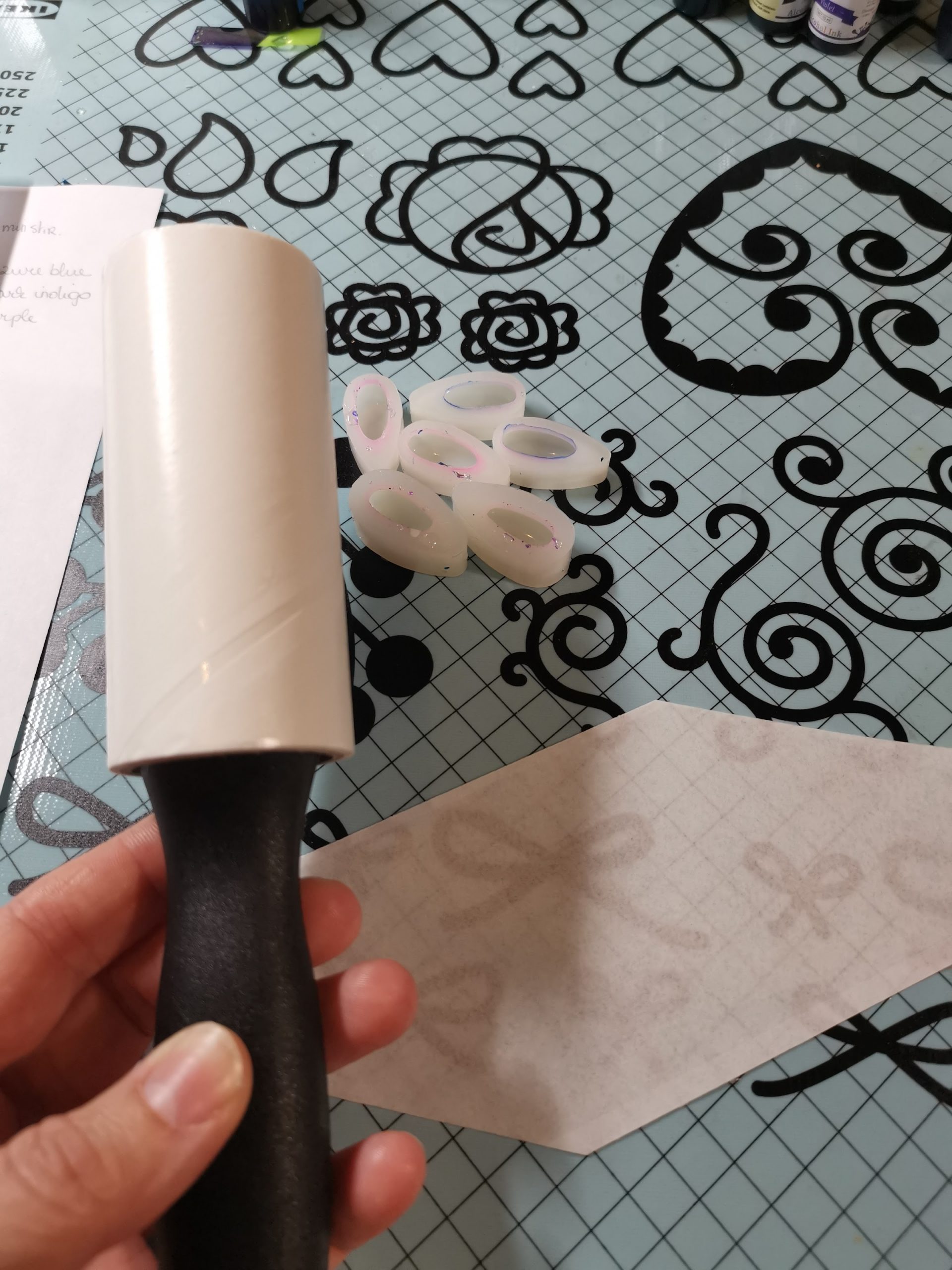
This is how I work: I remove wet residue with baby wipes or alcohol wipes because that is quick and practical. Then I throw those wipes away with the correct waste stream. When resin is fully cured, it can usually go with residual household waste (always check your local rules). Dry residue comes off with tape or a lint roller.
How I clean silicone molds (easiest method)
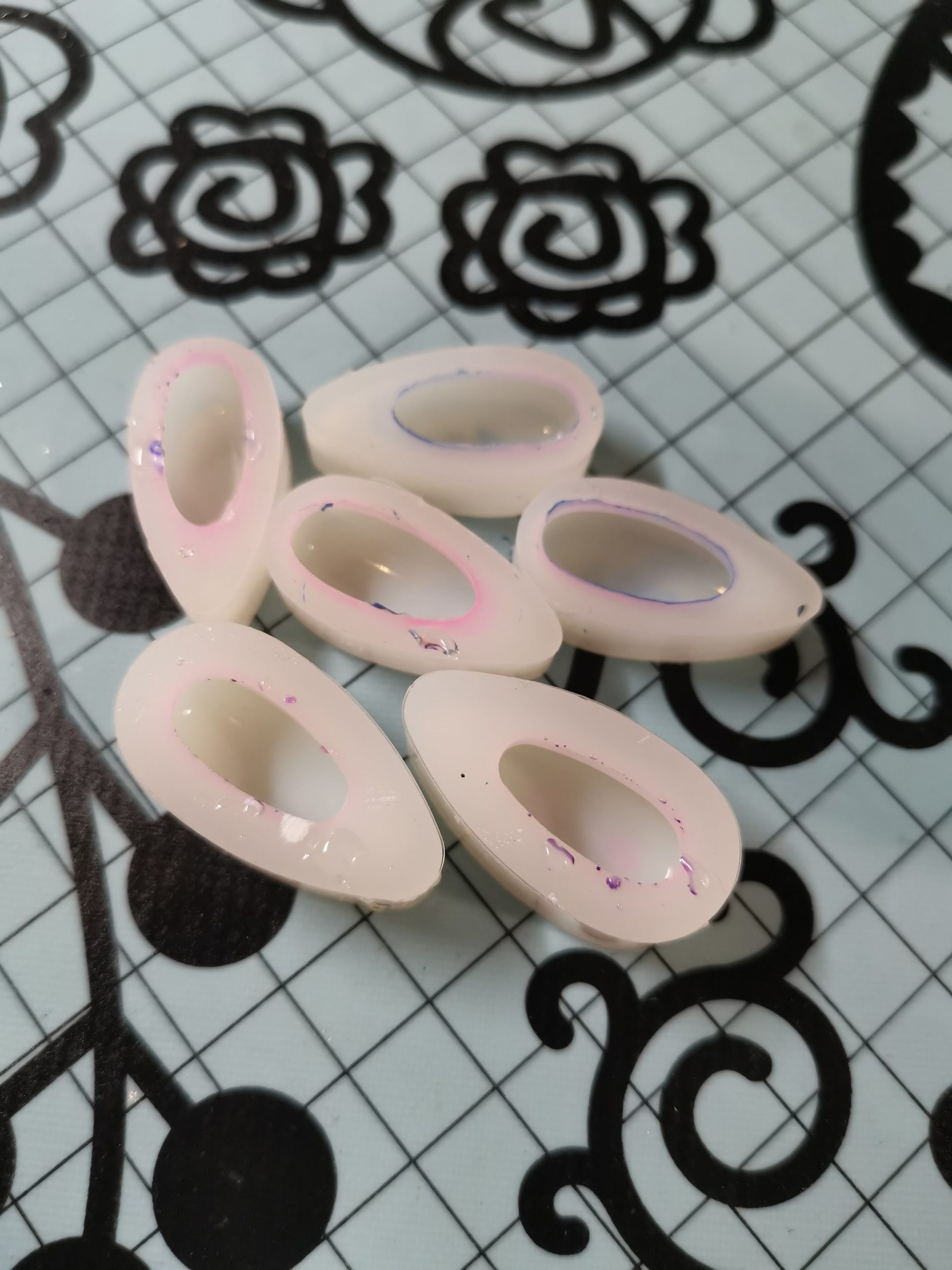
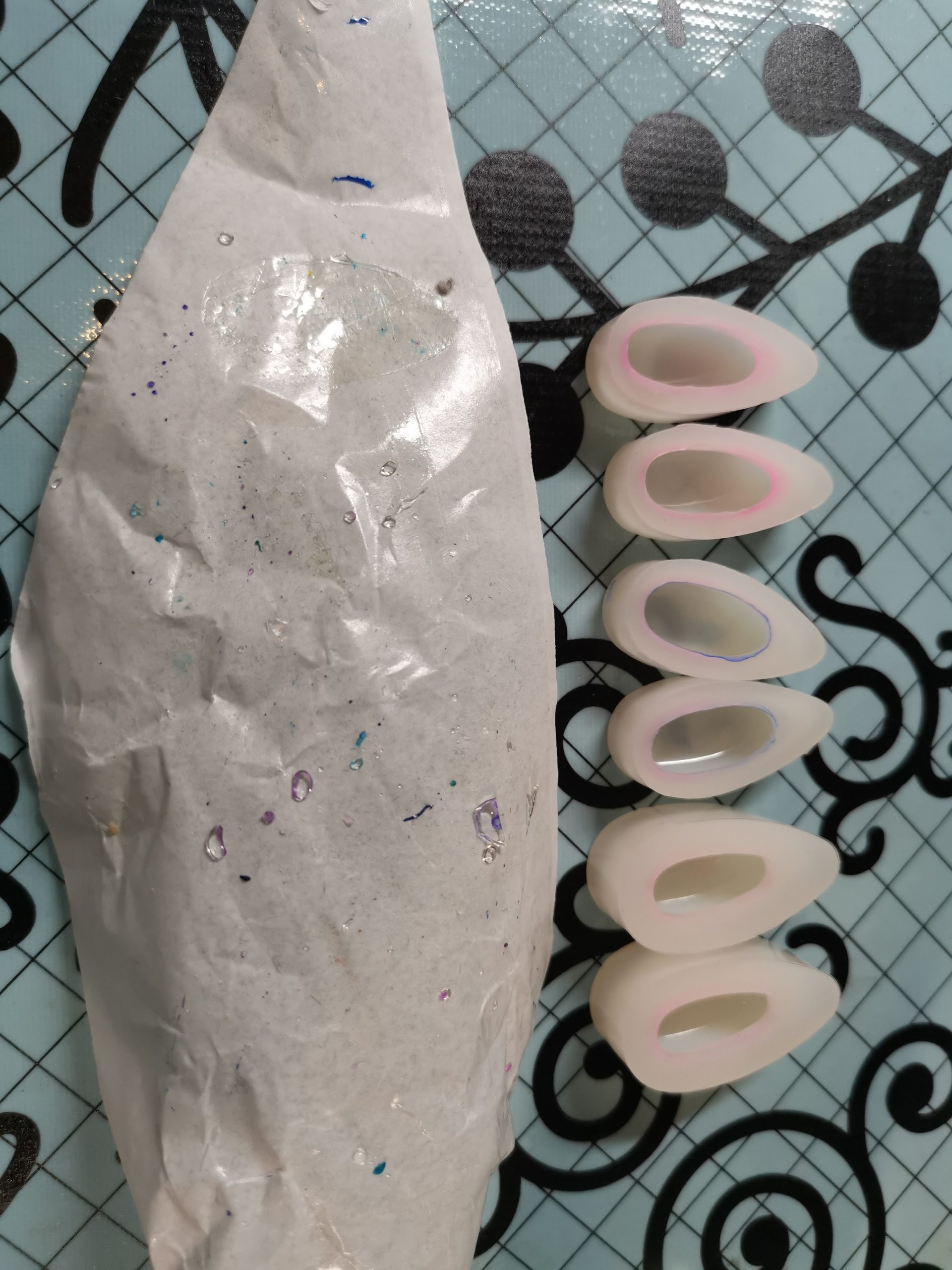
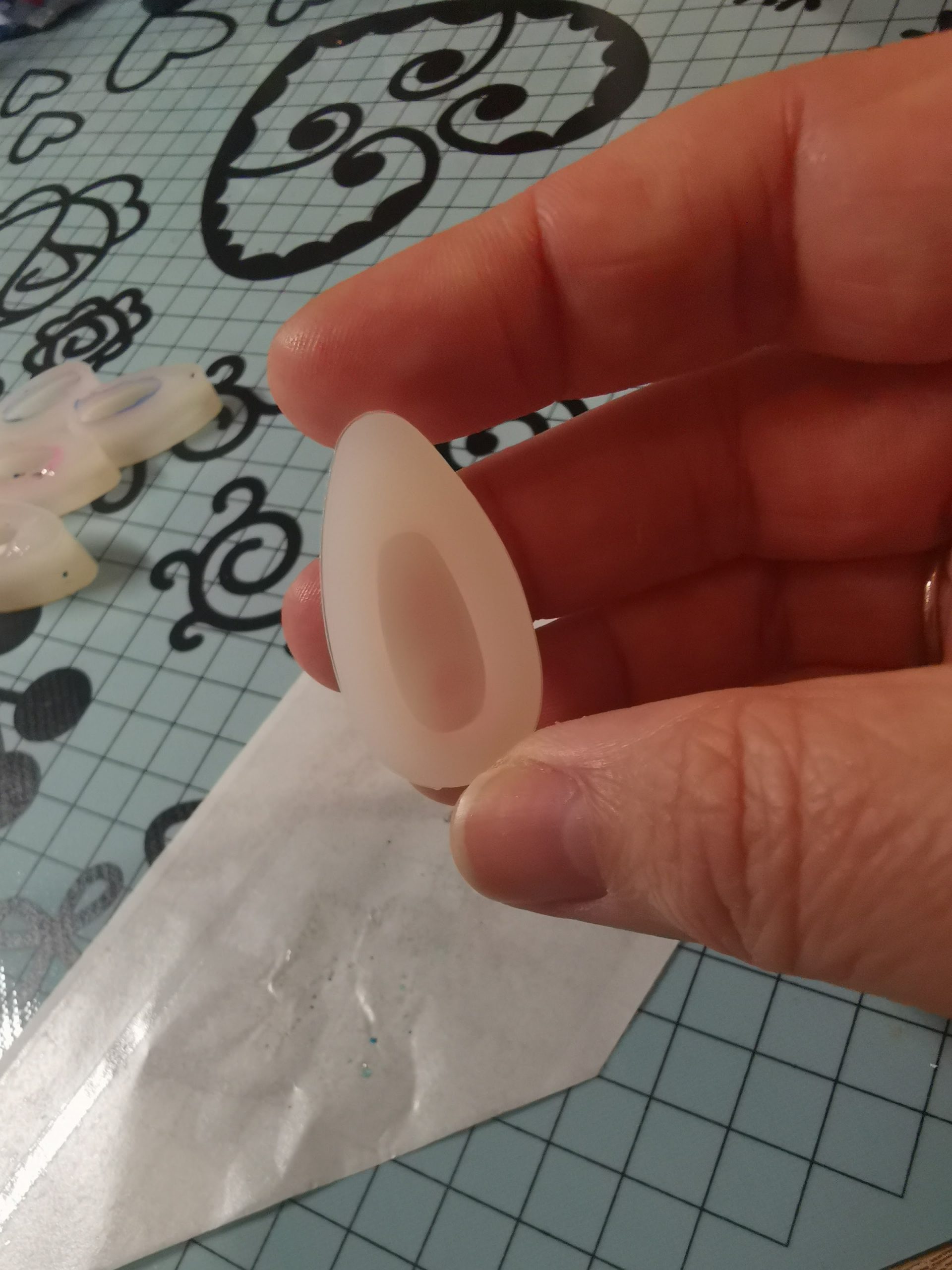
- I let residue cure first whenever possible.
- Then I peel cured resin film out of the mold.
- For micro-residue on edges, I use transfer foil or a lint roller.
- Finally, I check against light to make sure the mold is fully clean.
How I clean jars, mixing cups and tools without drain mistakes
| Item | How I do it | Why this works better |
|---|---|---|
| Silicone mixing cup | I let resin cure, then peel the film out | This keeps the cup usable longer and reduces stubborn buildup |
| Plastic mixing cup | I remove wet residue with baby wipes or alcohol wipes | It is fast right after pouring and stops residue from hardening in the cup |
| Pigment jars | I wipe the rim and thread right away | Prevents stuck lids and product loss |
| Spatulas and stir sticks | I either wipe immediately or let residue cure and peel off | I keep separate bins for “wet waste” and “cured waste” |
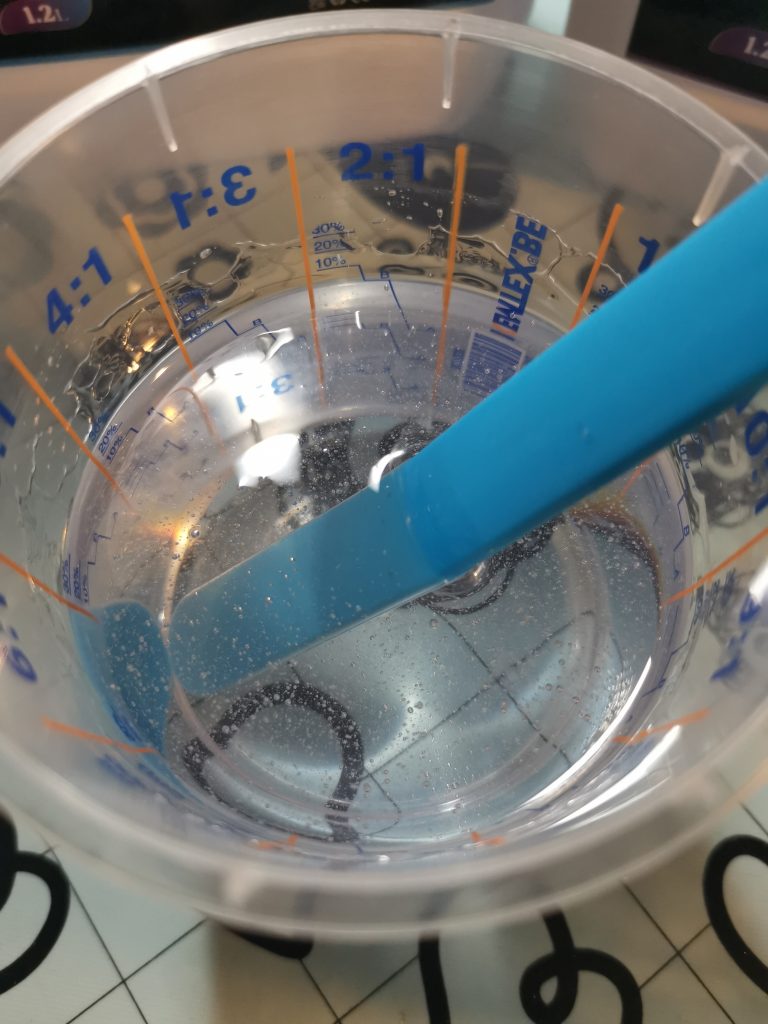
Do / Do not after epoxy pouring
| Do not | Do | Reason |
|---|---|---|
| Pour liquid resin into sink or toilet | Let it cure and dispose according to local rules | Protects water systems and the environment |
| Scratch silicone with sharp metal tools | Use foil, tape, or a lint roller | Prevents mold damage and casting defects |
| Leave wet epoxy wipes in a random pile | Collect them safely and handle them as intended waste | Cleaner, safer workspace |
| Delay cleanup until the next day | Do a fixed 10-minute cleanup right after pouring | Less work and better tool condition |
My 10-minute cleanup checklist
- Molds: I let residue cure, peel it out, then dab with foil.
- Mixing cups: I wipe wet residue or let it cure for peel-off.
- Jars: I clean rim and lid immediately.
- Wet wipes/paper: I keep them separate and dispose correctly.
- I leave my workspace dry and dust-free for the next pour.
I always check the safety and disposal instructions for my resin brand and follow local hazardous-waste rules.