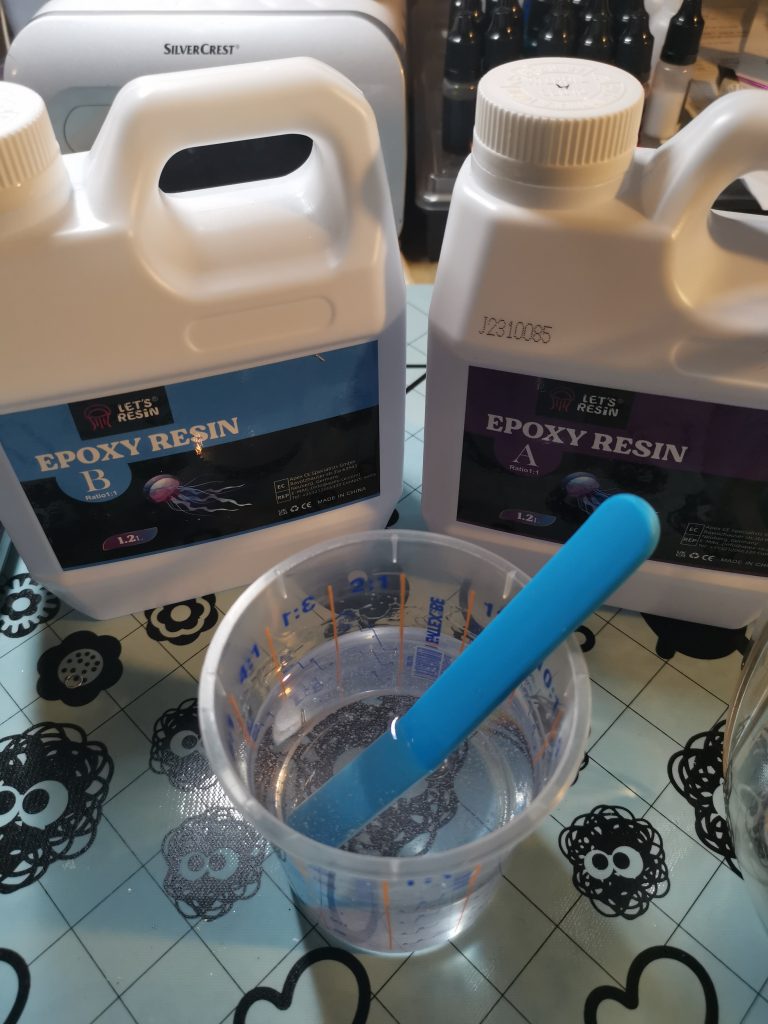
In this AirLess Resin Bubble Remover Machine review, I test how well this device removes air bubbles from epoxy resin. In my test with letsresin resin, you can clearly see the before-and-after effect.
My hands-on test
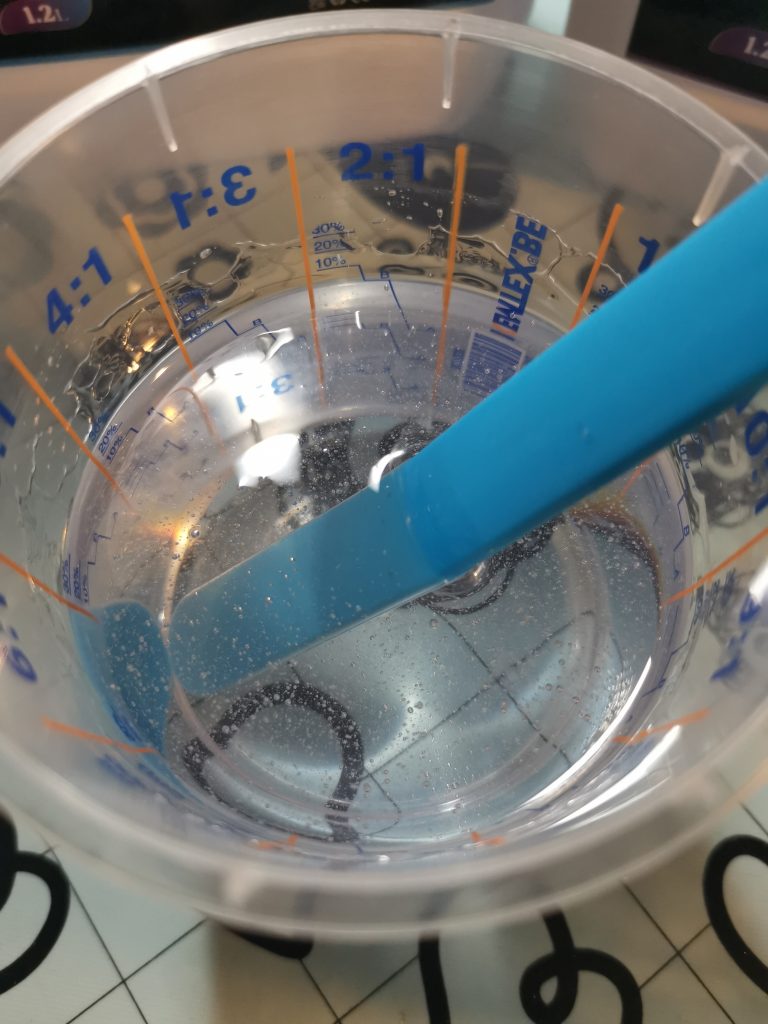
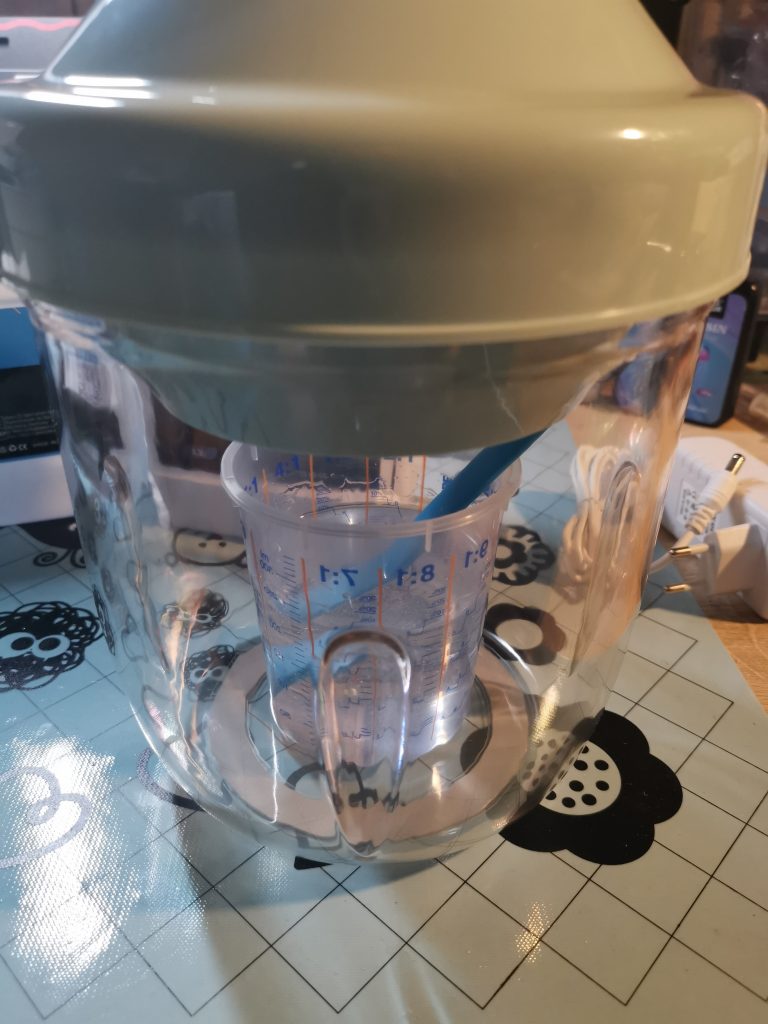
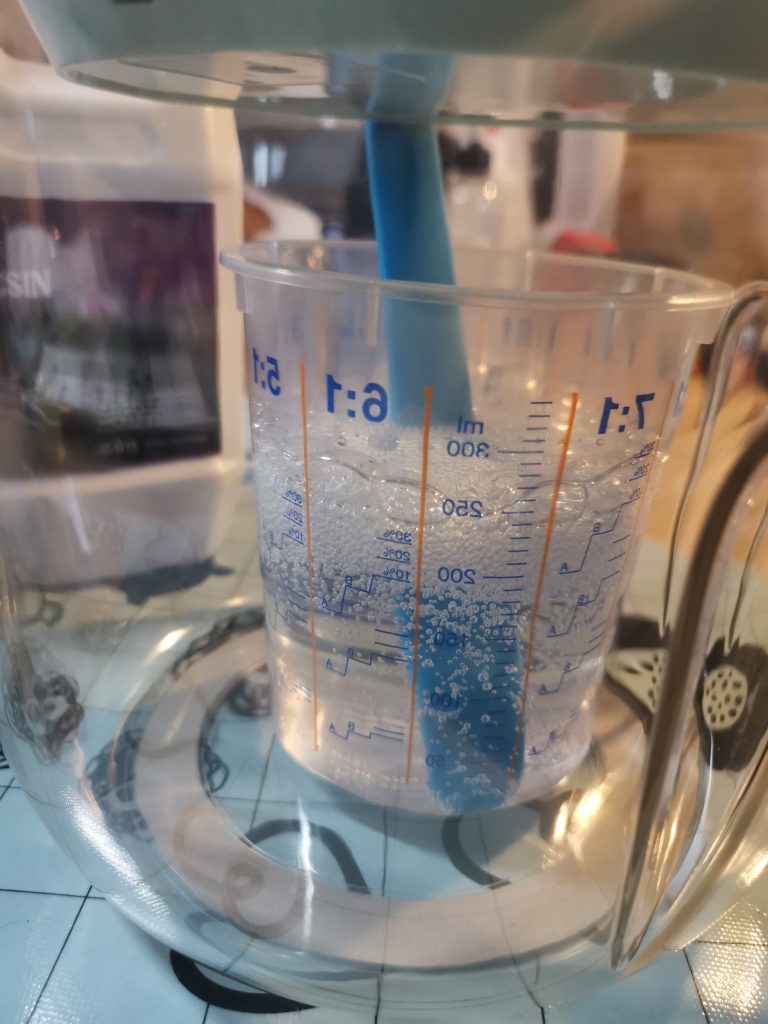
I mixed epoxy in a measuring cup, placed it inside the AirLess Resin Bubble Remover Machine, and followed the process step by step. With thicker resin (especially at lower temperature), degassing clearly takes longer.
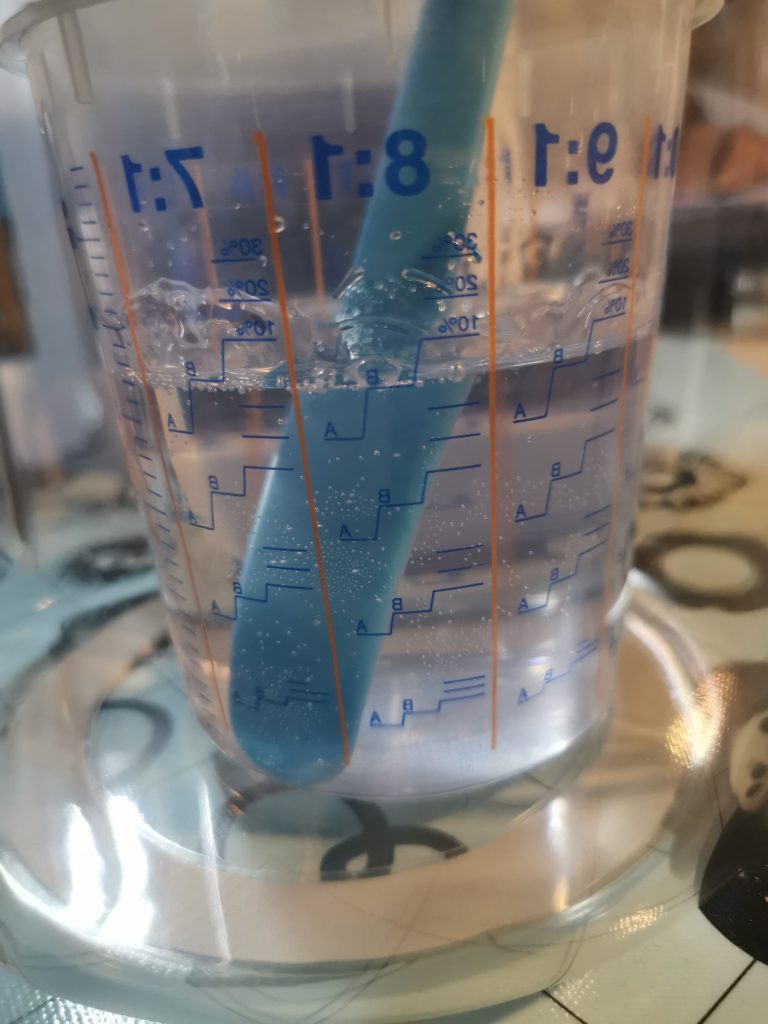
Important tip for thicker resin
- letsresin resin is more viscous and often needs extra time.
- At lower temperatures, resin gets even thicker.
- Light pre-warming helps bubbles rise faster.
- After degassing, let it rest briefly before pouring.
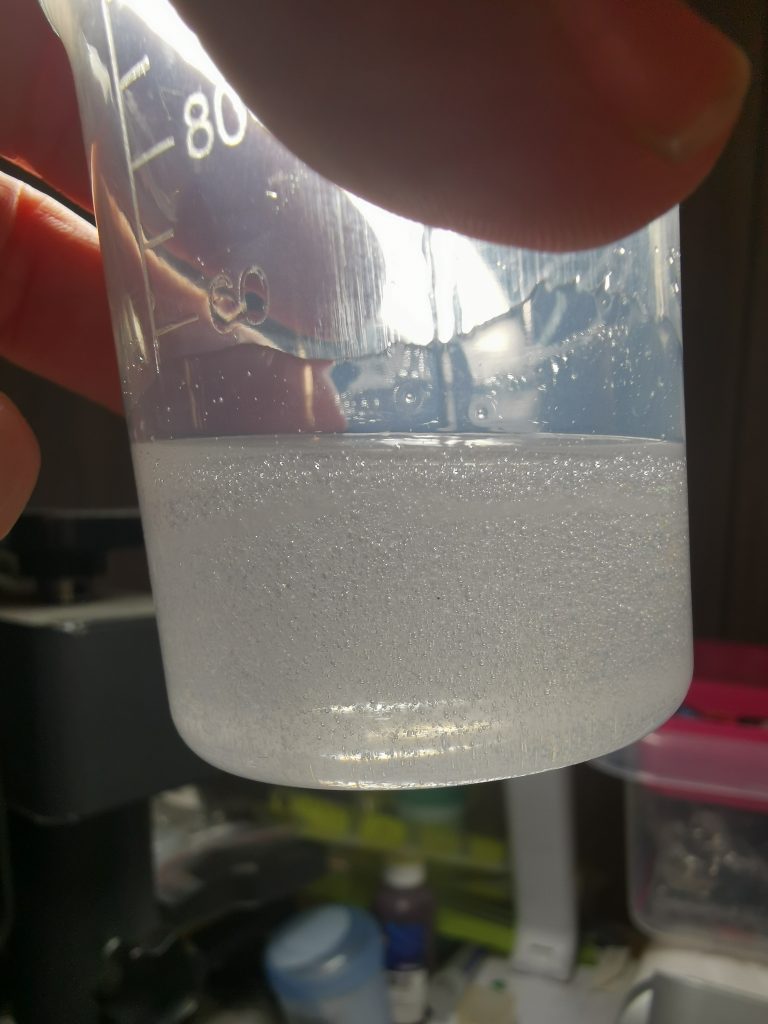
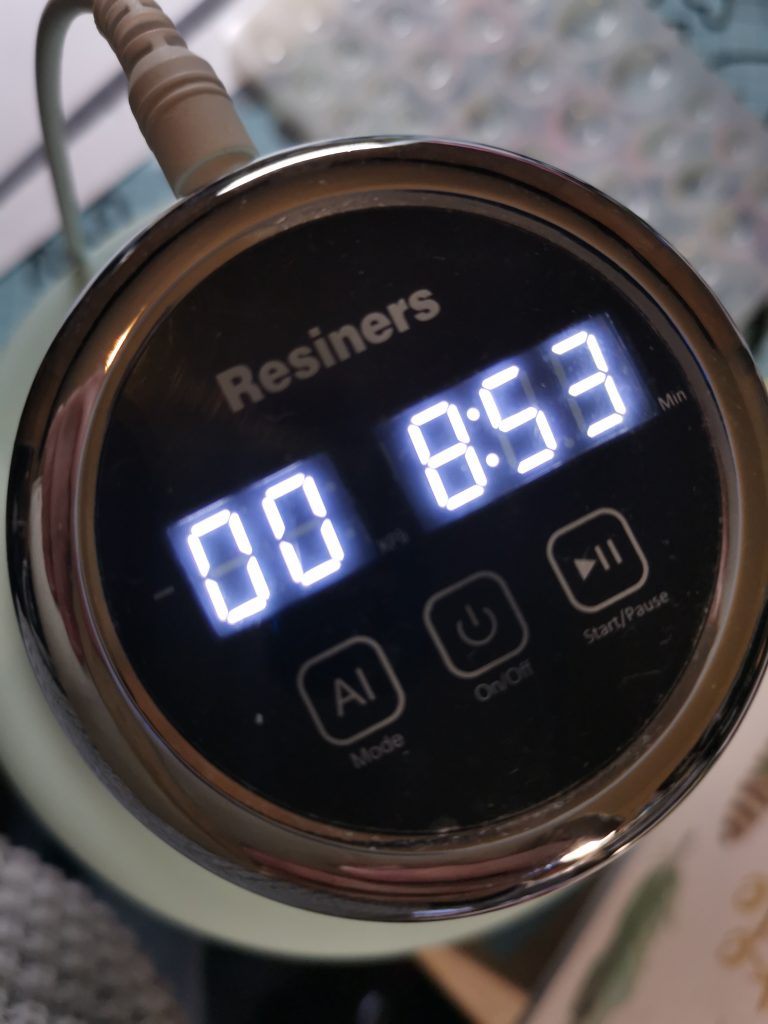
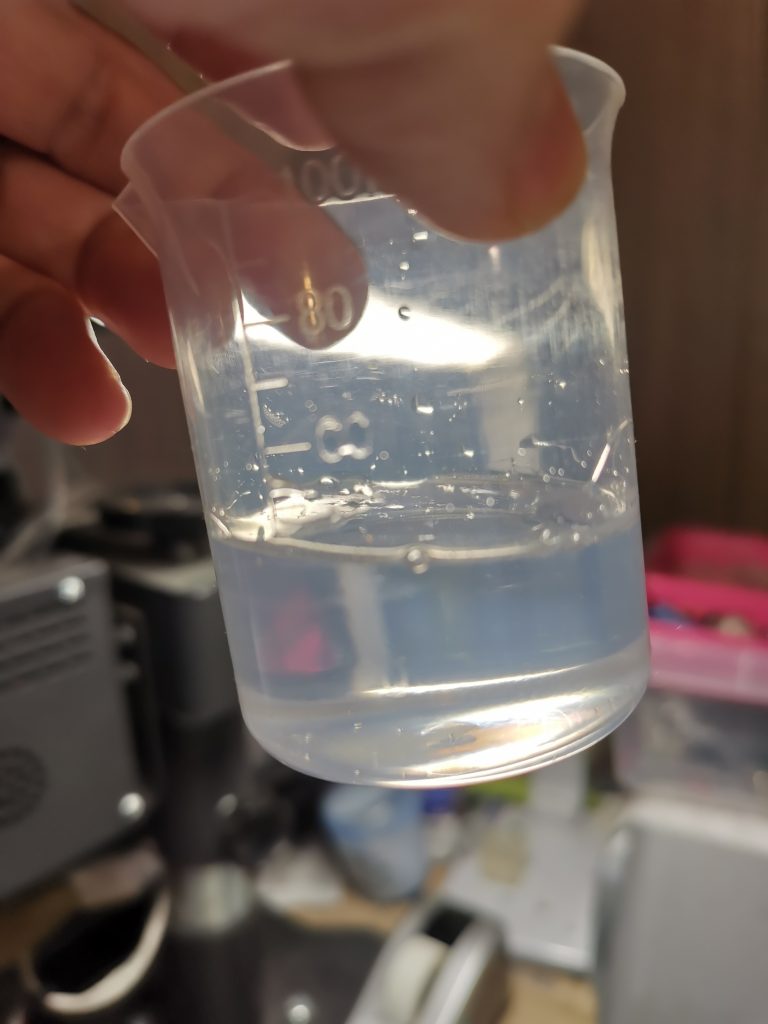
I have an older version of the Resiners bubble remover.
Comparison: 2 Resiners versions
| Model | Best for | Strengths | Watch-outs |
|---|---|---|---|
| Cheapest version | Small batches, jewelry, beginners | Compact, fast setup, lower entry price | Smaller volume, often longer cycle needed for thick resin |
| More expensive version | Frequent use, higher output, larger batches | Larger capacity, more efficient workflow | Higher purchase cost |
Comparison with other brands
| Brand/type | Pros | Cons |
|---|---|---|
| Resiners (Lite/Pro) | User-friendly, compact, fast for resin cups | More closed ecosystem, less flexible for large atypical batches |
| Let’s Resin (AirZero / Upgraded Resin Bubble Remover) Germany | Belgium |
Digital timer, compact machine, fits hobby workflows | Outside peak periods, delivery timing may vary by country |
| VEVOR chamber + separate pump | Often lower cost per liter, many sizes | More parts, louder, setup is more leak-sensitive |
| Classic metal vacuum chamber kits | Robust and scalable | Heavier, less compact, less plug-and-play |
Pros and cons from my use
Pros
- Quick visible effect on larger bubbles.
- Compact footprint on the workbench.
- Easy to include in a regular workflow.
Cons
- Thick/cold resin needs more time.
- Microbubbles may need an extra cycle.
- Good pouring technique still matters.
My final verdict
- Positive: compact, simple, and visibly effective on many bubbles.
- Critical note: slower results with thicker resin.
- Important: this is not a pressure pot like VEVOR; technique and expectations differ.
Affiliate disclosure: this article contains affiliate links. This costs you nothing extra.